
When the AI should stop talking and fetch a human
Handover is a design decision, not a failure state. Here is how to decide the moments, and how to make the transition feel like one conversation.
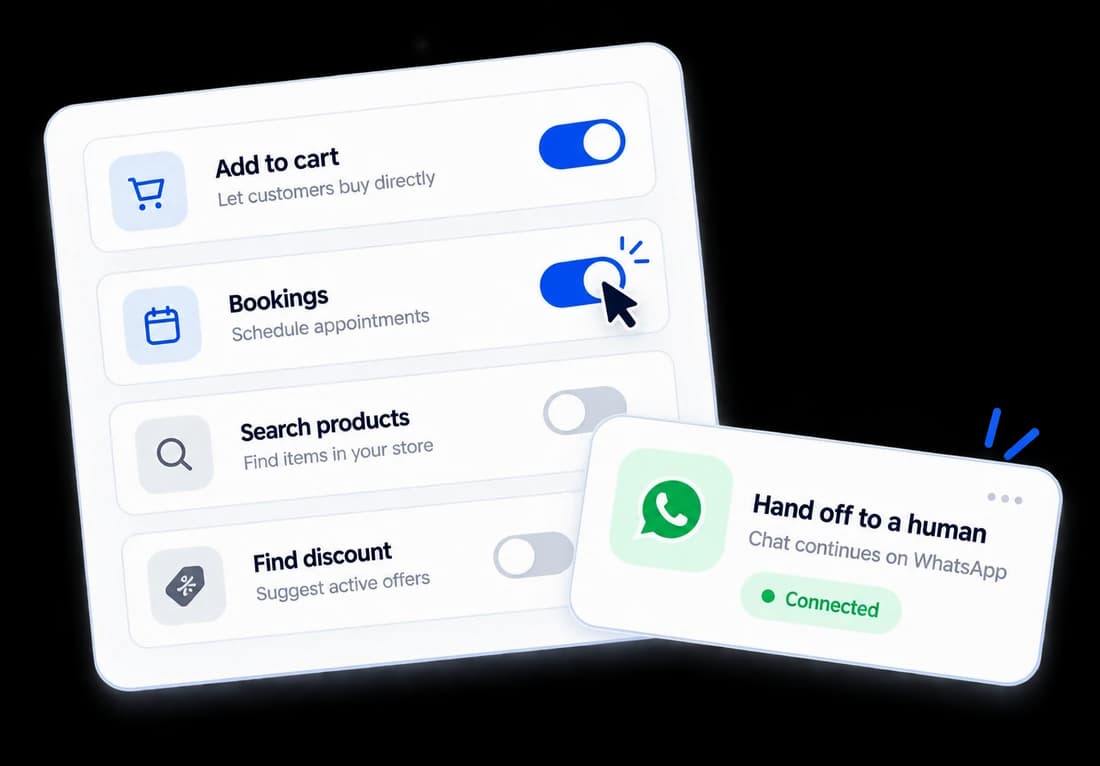
Every conversation an assistant handles has a point past which continuing is worse than stopping. Most teams discover that point by reading an angry transcript a week later. It is much cheaper to decide it in advance.
Handover is not an admission of failure
There is a habit of treating a handover as the assistant losing. It is the opposite. Picture an assistant that settles most conversations and cleanly hands over the rest. It does better than one that stumbles through all of them. The ones it hands over are the ones where a person changes the outcome.
Once you accept that, the question changes. It stops being how to avoid handovers, and becomes which handovers you want.
Four moments worth handing over
These four come up in almost every business, whatever it sells:
They asked for a person. This is not negotiable and should never be argued with, not even once.
Money is unusual. A bulk order, a custom quote, a refund past your normal window. Anything where the decision has a cost attached.
The tone has turned. Frustration repeated twice is a signal, and it rarely improves on the third automated reply.
The same question came back. If a customer asks the same thing a second way, the answer did not land. A third try is unlikely to help.
You will have a fifth that is specific to you. A clinic might hand over anything that sounds like a symptom. A retailer might hand over anything mentioning a damaged parcel. Write yours down explicitly rather than hoping it is inferred.
Hand over the context, not just the customer
The worst handover is a person arriving and saying, so how can I help? The customer has already explained themselves once. Making them do it again undoes most of the goodwill the handover was meant to buy.
A good handover arrives with what is already known. Who they are, what they asked, what they were told, what is still open. The assistant is well placed to write that summary. It was in the conversation the whole time.
A customer should not notice where the assistant stopped and the person started. Only that the answers got more specific.
Say what is happening
Silence during a handover reads as being ignored. One line that says what is happening, and roughly how long it will take, does most of the work. Write it carefully. It is the moment the customer is paying the most attention.
Review the handovers, not the successes
The conversations that got handed over are the most useful thing your assistant produces in its first month. Each is a gap in its knowledge, a rule that worked, or a rule that came in early. Read them weekly at first. The gaps and the early rules are things you can fix that afternoon.
Over time the pattern settles. The handovers that remain are the ones you wanted: the valuable, the unusual and the upset. Aim for that, not for a count of conversations the assistant kept to itself.
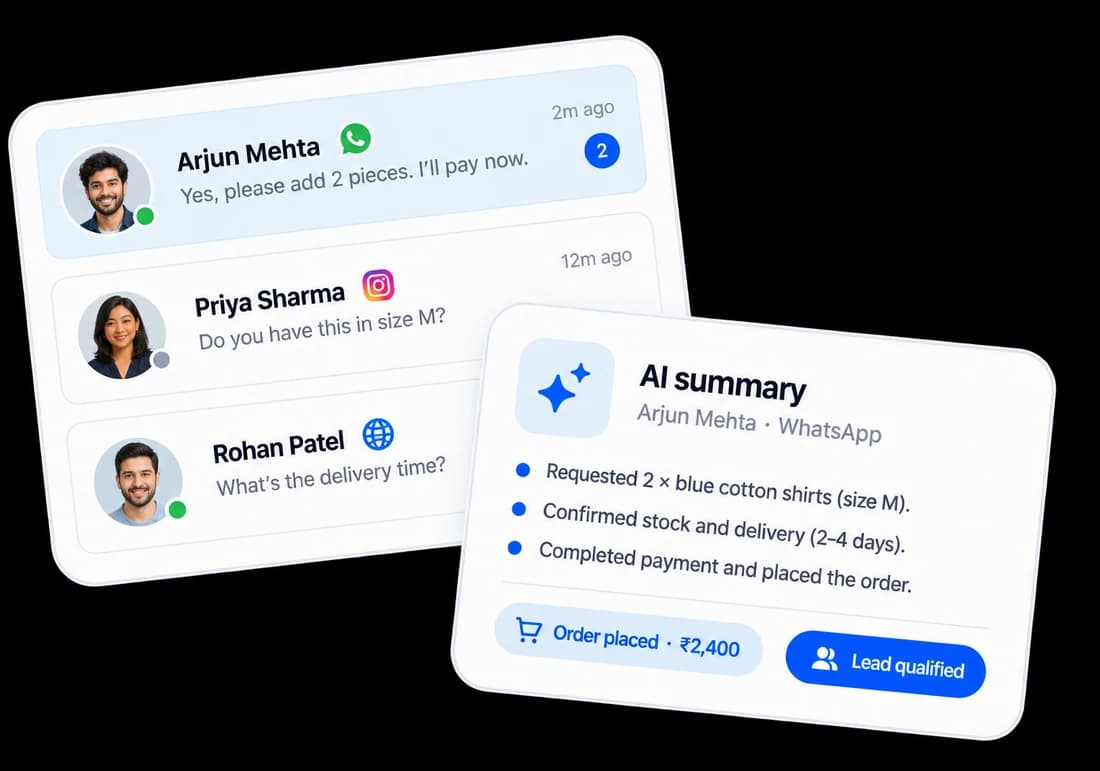


Stop losing leads tonight.
Add your website. Impel builds your AI team, and you approve it before it answers anyone.