
What your assistant should know before it answers a customer
An assistant is only as good as what it was told. A practical account of what to feed it, what to leave out, and why more is not better.
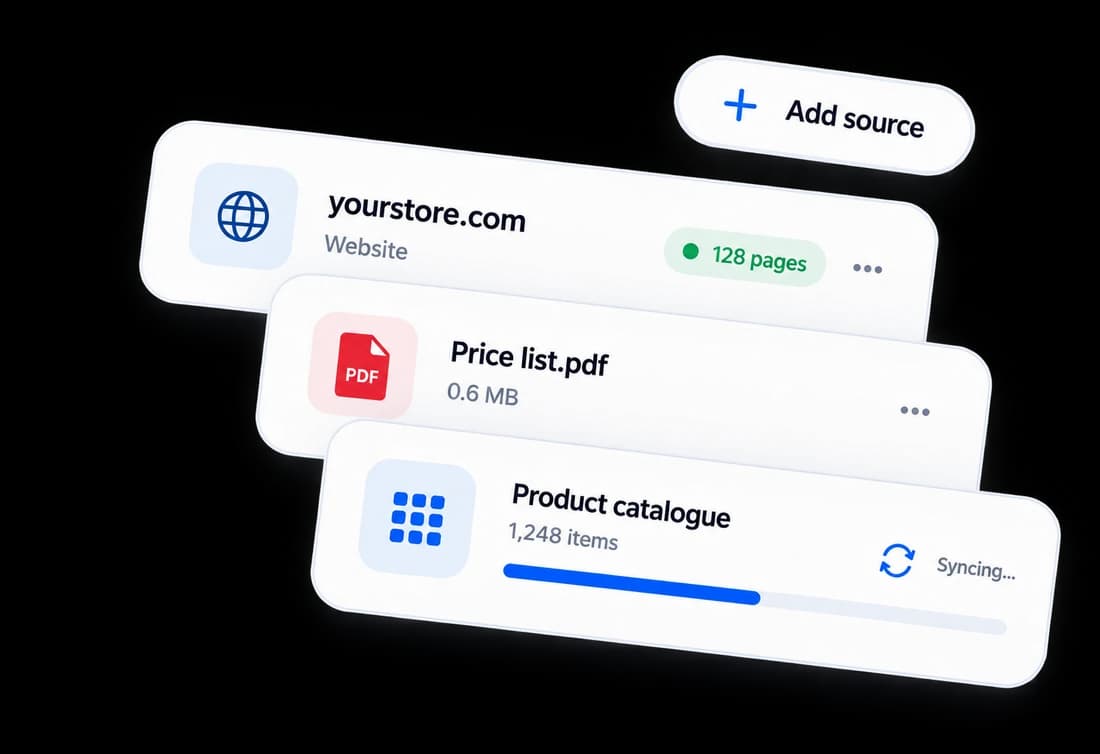
The most common way an assistant disappoints someone is not by sounding robotic. It is by confidently saying something that is not true of your business. That is almost never a model problem. It is a knowledge problem, and it is fixable in an afternoon.
Two kinds of knowledge, and they behave differently
It helps to separate what you tell an assistant into two piles. The first is stable: what you sell, how returns work, where you deliver, what your policies are. It changes a few times a year. The second is live: prices, stock, free slots in the calendar. It changes hourly.
Stable knowledge should be written down and taught once. Live knowledge should never be written down at all. It should be read from the system that owns it, at the moment the question is asked. Anything you copy is out of date the moment you copy it.
If a fact can change without anyone telling you, it does not belong in a document. It belongs behind a connection.
Start with what you already answer
The fastest useful starting point is not your website. It is your sent messages. Open the last two weeks of customer conversations and count what people actually asked. In most businesses, five questions cover more than half of everything.
Answer those five properly, in plain words, the way you would say them out loud. That one page will do better than a hundred pages of marketing copy taken from a website. Marketing copy is written to persuade. A customer asking about delivery wants to be informed.
Why more is not better
There is a strong temptation to feed in everything: every PDF, every page, every old brochure. It usually makes things worse. Three specific failures show up again and again:
Contradiction. Two documents give different return windows, and the assistant picks one at random.
Staleness. A price list from eighteen months ago is still technically in the pile and still technically quotable.
Dilution. The genuinely important paragraph is buried among four hundred that are merely related.
The discipline is the same one you would apply to a new employee's handbook. Everything in it should be current. Anything you would be embarrassed to see quoted back to a customer should come out.
Write down the edges too
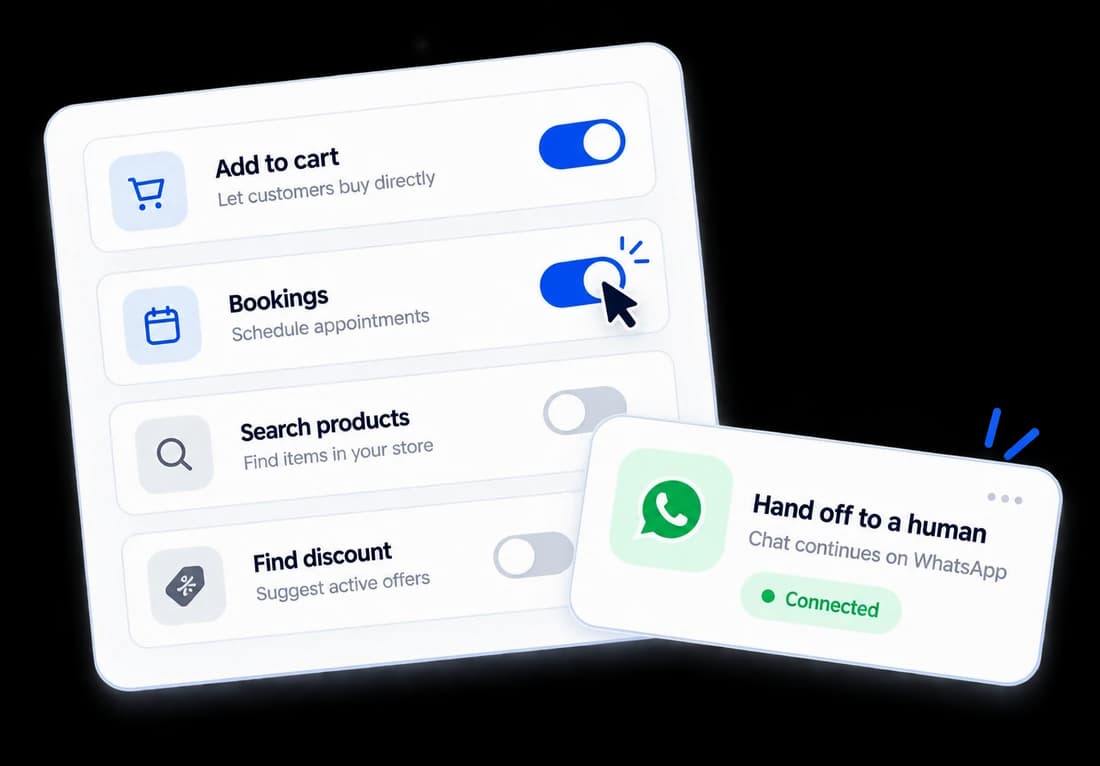
Knowledge is not only facts. It is also the boundaries. What are you not willing to quote over chat. What discount is never offered without approval. Which questions should always reach a person. Those instructions matter as much as your delivery times. They are the part most people forget to write.
Then check it the honest way
Do not test it by asking questions you know it can answer. Ask it the questions your customers ask that you find annoying. Those are the ones where the real answer has nuance. If it handles those, the ordinary ones were never in doubt.


Stop losing leads tonight.
Add your website. Impel builds your AI team, and you approve it before it answers anyone.